
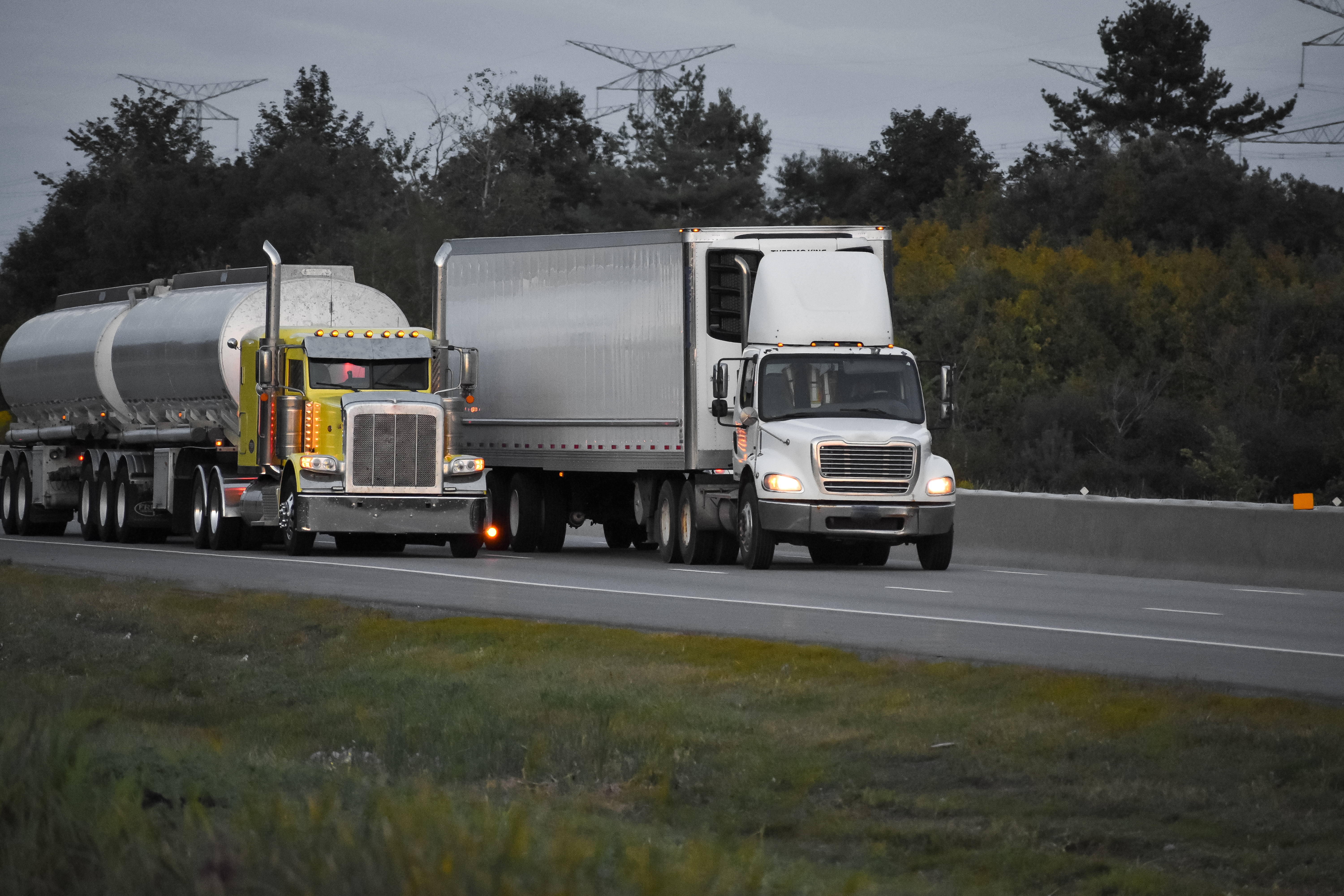
Commercial fleet management requires a careful balance of safety, productivity, and operating expenses. Driver training influences each of these priorities, especially because driver mistakes contribute to a large share of workplace vehicle accidents. For businesses that depend on commercial vehicles, a stronger training program can be an important part of managing risk.
As safety expectations increase, more fleets are adding simulator-based instruction to their driver development programs. Rather than depending exclusively on on-road practice, companies can use realistic truck simulators to help drivers build confidence, improve judgment, and prepare for difficult conditions in a controlled setting.
For fleet operators seeking practical business insurance solutions, fewer accidents, better equipment protection, and more effective training can all support long-term risk management. Simulation training offers several benefits that commercial fleets may want to consider.
What Commercial Driving Simulation Training Includes
Today’s truck-driving simulators are built to closely resemble the experience of operating a commercial vehicle. Many systems feature expansive visual displays, realistic audio, and responsive steering feedback to recreate the feel of driving from inside a truck cab.
Within that setting, drivers can work through situations that may be impractical or too dangerous to stage during live road instruction. A simulator can replicate congested traffic, intense weather, slick pavement, unexpected road hazards, and mechanical problems without exposing people, vehicles, or cargo to real-world danger.
This approach gives drivers the opportunity to develop experience before they face these challenges on an actual route. Newer drivers can become more at ease behind the wheel, while veteran drivers can reinforce core skills and address risky habits that may have formed over time.
Simulation also brings consistency to the training process. Each driver can be evaluated using the same conditions and scenarios, giving instructors a clearer foundation for coaching and performance comparisons.
Creating a Lower-Risk Place to Learn
One of the most meaningful advantages of truck simulation training is the ability to practice emergency situations without placing anyone at risk. Road-based training is essential, but it cannot safely reproduce every potentially dangerous event a driver may encounter.
In a simulated environment, a driver can respond to a blown tire, sudden braking, ice-covered roads, reduced visibility, or an inattentive motorist. The driver can make decisions under pressure, learn from errors, and repeat the exercise without creating an actual safety incident.
For a new commercial driver, this type of preparation can ease anxiety and improve readiness before operating a truck in live traffic. Instead of gaining emergency experience only after a situation occurs on the road, drivers can practice appropriate responses beforehand.
Fleet operators benefit as well. By moving early learning into a simulator, they may reduce the possibility of training-related accidents, vehicle damage, and liability concerns. These efforts can complement broader workplace safety practices and workers’ compensation insurance planning.
Using Fleet Equipment More Efficiently
When trainees learn in active commercial vehicles, trucks may need to be removed from service. That can affect schedules, limit capacity, and reduce opportunities for the fleet to keep revenue-producing equipment on the road.
Simulator training can reduce this pressure by allowing drivers to practice foundational and advanced skills without tying up operational trucks. Compared with relying only on live driving instruction, fleets may also limit fuel use and reduce wear on their vehicles.
Because a simulator can repeat a scenario as often as needed, instructors can often make more productive use of training time. Drivers can practice challenging maneuvers multiple times in one session without waiting for traffic, weather, or other real-world conditions to align.
Over time, these efficiencies may allow a fleet to train more drivers while maintaining greater control over operating costs. For small businesses with limited vehicles and resources, this can be particularly valuable when evaluating affordable insurance plans and practical safety investments.
Measuring Performance and Improving Coaching
Simulation training is also gaining attention because it can provide detailed information about how drivers perform. This data gives fleet managers and instructors more than a general impression of how a trainee handled a route or maneuver.
Many simulator systems track performance throughout each session. Trainers can review driver decisions, spot patterns of repeated errors, and monitor progress over time. Rather than depending only on observations made during a road lesson, instructors can use measurable information to guide coaching discussions.
That makes feedback more specific to the individual driver. When a trainee needs help with defensive driving, backing, hazard recognition, or emergency response, the instructor can assign additional scenarios that focus on those exact skills.
The ability to replay a session can also help standardize driver evaluations. Multiple instructors can review the same information, supporting more objective assessments throughout the commercial driving program.
Benefits for New Hires and Veteran Drivers
Simulator training is frequently viewed as an onboarding tool for new drivers, but it can be equally useful for experienced commercial operators. Each group can benefit from instruction that emphasizes safer decisions and stronger awareness behind the wheel.
For seasoned drivers, refresher sessions offer a chance to revisit defensive-driving practices and identify habits that may have increased accident exposure. A fleet may also use a simulator after an accident or safety violation to reinforce proper procedures in a structured setting.
Since experienced drivers already understand the basics of vehicle operation, simulation can place more attention on decision-making, reaction time, and hazard awareness. This can help a company support a stronger safety culture throughout its fleet.
Simulation is not a substitute for hands-on road experience. It is most effective when paired with practical behind-the-wheel instruction as part of a complete driver training strategy.
Potential Insurance and Risk Management Advantages
Driver safety programs can affect a fleet’s commercial insurance exposure. Because human error remains a significant contributor to workplace vehicle accidents, insurance carriers may look closely at the way a company approaches driver training and risk control.
Some carriers may offer premium credits or other incentives to fleets that maintain structured simulator-based training programs. More thoroughly prepared drivers may help reduce accidents, lower claims frequency, and limit liability exposure over time.
Even if a premium discount is not available, a well-designed training program may still help a fleet manage costs connected to claims, repairs, downtime, and legal exposure. These are important considerations alongside general liability coverage and other protection a business may carry.
For companies exploring ways to improve driver safety while protecting their financial resources, simulator training can be both an operational resource and a meaningful risk-management measure. Los Angeles Insurance Brokerage LLC helps clients consider insurance needs in the context of their broader business operations and safety goals.
As an independent California insurance broker, Los Angeles Insurance Brokerage LLC can help commercial fleet operators in Los Angeles review how driver training practices may relate to their commercial auto coverage and overall risk profile. Contact our team at (888) 461-0054 to discuss your training approach, risk-management priorities, and insurance needs.